The PCOS Name Change That Actually Matters
For years, patients walked into my office already defeated. They’d been told they had “polycystic ovary syndrome” — PCOS — and left thinking the problem was their ovaries, full stop. Many had ultrasounds that showed no cysts at all. Others had cysts but none of the metabolic symptoms actually running their lives. The name never fit the condition. I’ve watched that mismatch cause real harm: delayed diagnoses, dismissed symptoms, and years of frustration before anyone looked at the whole picture.
That’s why the news this May stopped me in my tracks. A paper in The Lancet announced a global consensus of 56 academic, clinical, and patient organizations. It drew on input from more than 22,000 people worldwide. Together, they formally renamed the condition. PCOS is now PMOS: Polyendocrine Metabolic Ovarian Syndrome.
Why the Old Name Was Failing Patients
“Polycystic ovary syndrome” suggested a single, visible problem: cysts on the ovaries. In reality, cysts aren’t required for diagnosis. They aren’t unique to this condition, either. Plenty of women without PMOS have ovarian cysts. Plenty of women with the condition have none. The old name pointed everyone — patients and clinicians alike — toward the wrong organ and the wrong story.
Meanwhile, the symptoms that define most people’s day-to-day experience had nothing to do with cysts. Think insulin resistance, weight changes, fatigue, mood shifts, skin and hair changes, and higher cardiovascular risk. These are metabolic and endocrine problems. The old name simply didn’t say so.
What PMOS Gets Right
Polyendocrine Metabolic Ovarian Syndrome names three systems instead of one. It points to the broader endocrine (hormonal) network, the metabolic system, and the ovaries. That’s a far more accurate map of what’s happening in the body. And it’s the same map functional medicine has drawn for years.
- It confirms this is a whole-body condition, not a gynecological footnote.
- It opens the door to treating the metabolic drivers earlier, instead of waiting for reproductive symptoms to show up.
- It reduces the stigma tied to “polycystic” — a word that made many patients feel their body was doing something wrong.
- It gives clinicians permission to look upstream: at blood sugar, inflammation, thyroid function, and stress physiology.
Why This Matters From My Chair
In my functional medicine practice, I’ve never treated this as “an ovary problem.” I’ve treated it as a metabolic and hormonal system out of balance. The ovaries simply report the disruption first, through irregular cycles. So the rename doesn’t change how I practice. It validates it. It tells patients, right in the name of their diagnosis, that the fatigue, the weight resistance, the skin changes, and the mood swings all belong in the same conversation as their cycle.
What to Know Right Now
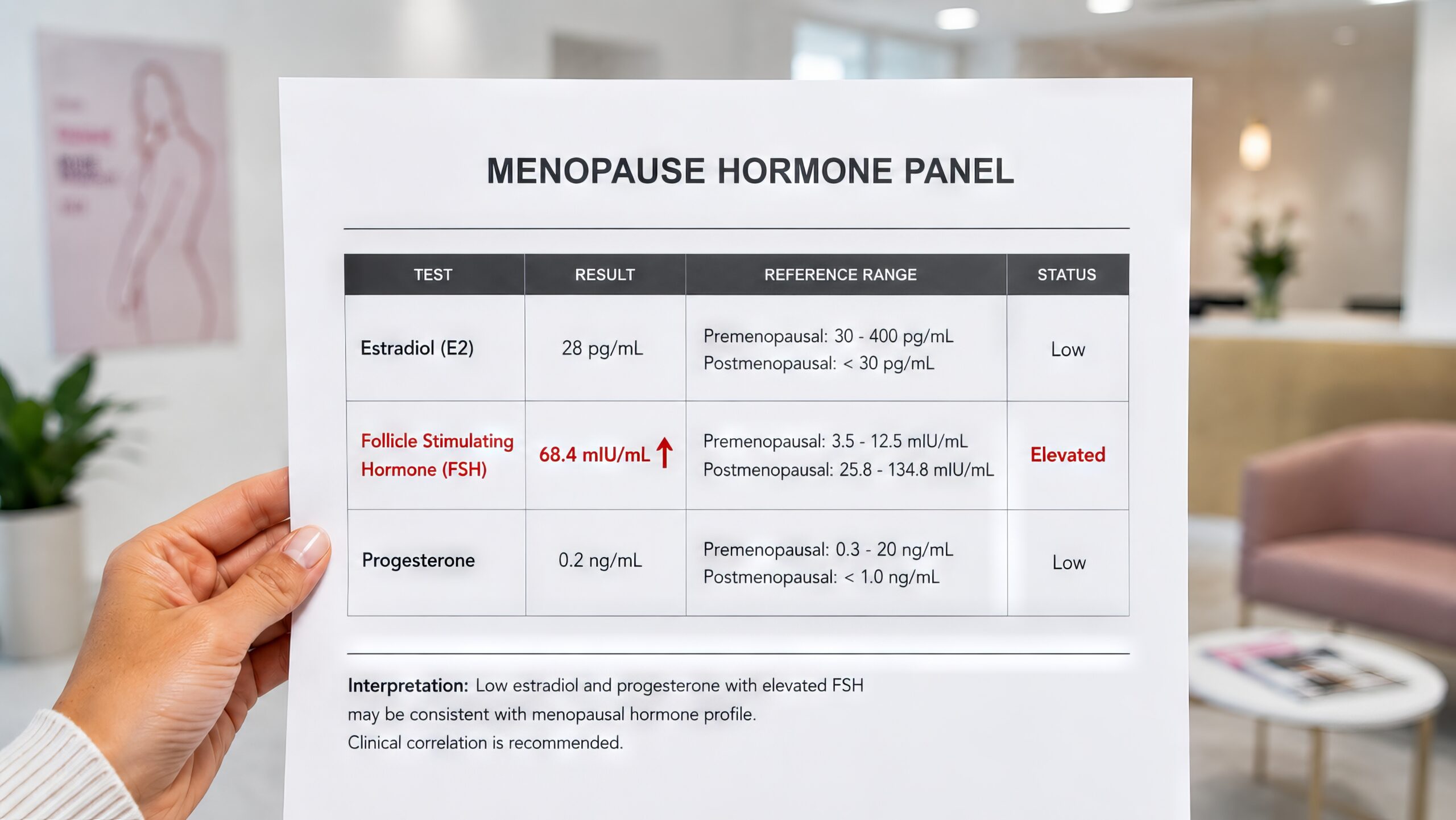
One caveat: a name change in a medical journal doesn’t instantly change paperwork. You’ll likely keep seeing “PCOS” on insurance forms, prescriptions, and older lab requisitions for a while. Coding systems and clinical guidelines take time to catch up. But the shift in thinking has already started, and it’s a meaningful one. Is your care team still treating this as a reproductive-only issue? That may be a sign it’s time for a more comprehensive, root-cause approach.
A Name Patients Can Finally See Themselves In
Patients have told me they felt real relief just reading a plain-language explanation of the new criteria. For the first time, a diagnosis matched their actual lived experience. That matters clinically as much as it matters emotionally. When a patient recognizes their own symptoms in the name of their condition, several things change. They seek comprehensive care earlier. They advocate for the testing they need. And they stop internalizing the old, stigmatizing idea that something is uniquely wrong with their ovaries.
I expect the terminology to keep evolving as guidelines, insurance coding, and patient education slowly catch up to the 2026 consensus. In the meantime, the most useful thing any patient can do is simple. Stop waiting for the paperwork to change. Start asking for the metabolic and endocrine workup this new name makes explicit. That’s the conversation I have with every patient who arrives already carrying a PCOS diagnosis. Let’s find out what your metabolism has been trying to tell us all along.

Ready to Get to the Root of It — Anywhere in Florida?
Have you been told your labs are “normal” while you still don’t feel normal? Irregular cycles, stubborn weight, fatigue, acne, thinning hair, or trouble conceiving? It may be time for a deeper look. Dr. West provides comprehensive functional medicine evaluations by telehealth to patients throughout Florida. You get real answers — no time off, no drive to an office, no waiting room.
This article is for educational purposes and is not a substitute for individualized medical advice. Please consult a qualified healthcare provider about your specific situation.